In Poland the lifestyle and mentality is influenced by many cultures like Latin and Byzantine culture, effect of the influence of ethnic minoritys that lived in this country. Polish people always have welcomed to foreign artist and have avowed the achievements of other cultures. For these reasons Polish culture is full of diversity and hues. Tourists can see this facts reflected in the next distinctive dates and places:

The Museum's significant location, coupled with its proximity to the Monument to the Ghetto Heroes, demanded extreme thoughtfulness on the part of the building’s designers, who carefully crafted a structure that has become a symbol of the new face of Warsaw. The design by the Finnish studio Lahdelma & Mahlamäki was selected in an international competition. The central piece of the Polin Museum is the reconstructed wooden synagogue from Gwoździec (present-day Ukraine). Its hand-painted ceiling is part of the Jewish Town gallery, while the roof can bee seen from the main hall of the Museum.

The centre is intended to be a place to present the culture and history of the Tatar community. Tatar's are one of the smallest ethnic groups in Poland, but their history on the lands of the former Polish-Lithuanian Commonwealth dates back ove 600 years. Polish medieval chronicler Jan Dlugosz gives the date of 1397 as the beginning of the Tatar's voluntary settlement in these areas. It was the tatar's who brought Islam to Polish lands, but by the sixteenth and seventeenth centuries, they had already lost their language, and many of their customs and family names had been Polonized.
1. Museum of the history of Polish Jews
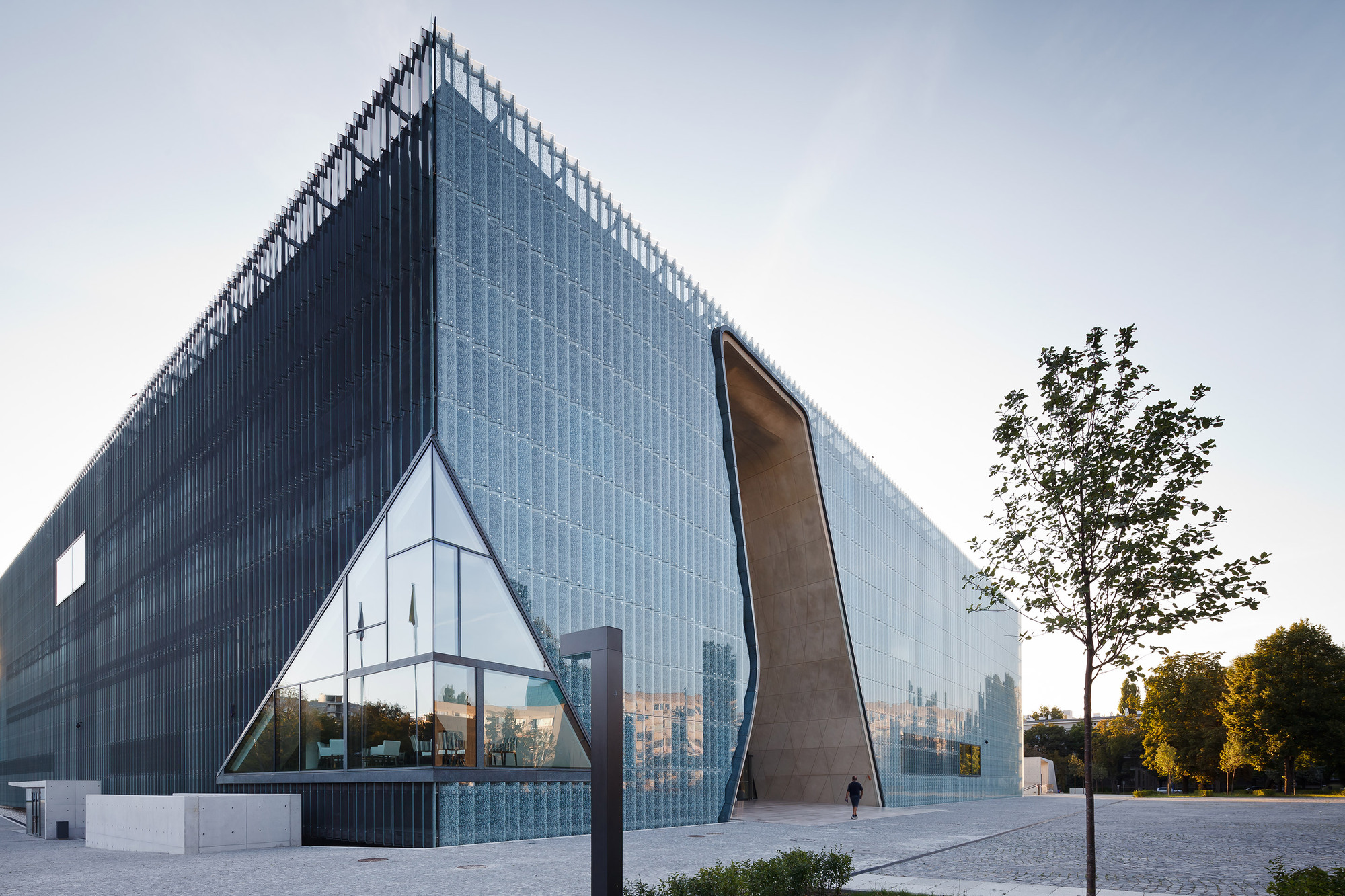
The Museum's significant location, coupled with its proximity to the Monument to the Ghetto Heroes, demanded extreme thoughtfulness on the part of the building’s designers, who carefully crafted a structure that has become a symbol of the new face of Warsaw. The design by the Finnish studio Lahdelma & Mahlamäki was selected in an international competition. The central piece of the Polin Museum is the reconstructed wooden synagogue from Gwoździec (present-day Ukraine). Its hand-painted ceiling is part of the Jewish Town gallery, while the roof can bee seen from the main hall of the Museum.
2. The Polish Tatar Centre Of Education and Muslim Culture

The centre is intended to be a place to present the culture and history of the Tatar community. Tatar's are one of the smallest ethnic groups in Poland, but their history on the lands of the former Polish-Lithuanian Commonwealth dates back ove 600 years. Polish medieval chronicler Jan Dlugosz gives the date of 1397 as the beginning of the Tatar's voluntary settlement in these areas. It was the tatar's who brought Islam to Polish lands, but by the sixteenth and seventeenth centuries, they had already lost their language, and many of their customs and family names had been Polonized.
3. The Łaźnia Centre for Contemporary Art

The Łaźnia Centre for Contemporary Art is guided by its mission of showing and promoting contemporary art as a means of expressing universal values, and an element of world cultural heritage. The centre does so by showing the latest developments in contemporary rt, showing the process of change that art is undergoing, engaging cultural and social phenomena taking place around the world, and educating the public about these issues by organising of exhibitions, artistic exchanges, innovative educational programmes, academic conferences, lectures, concerts and film screenings.
References:

No comments:
Post a Comment